
Safari Travel Insurance: What Should You Check?
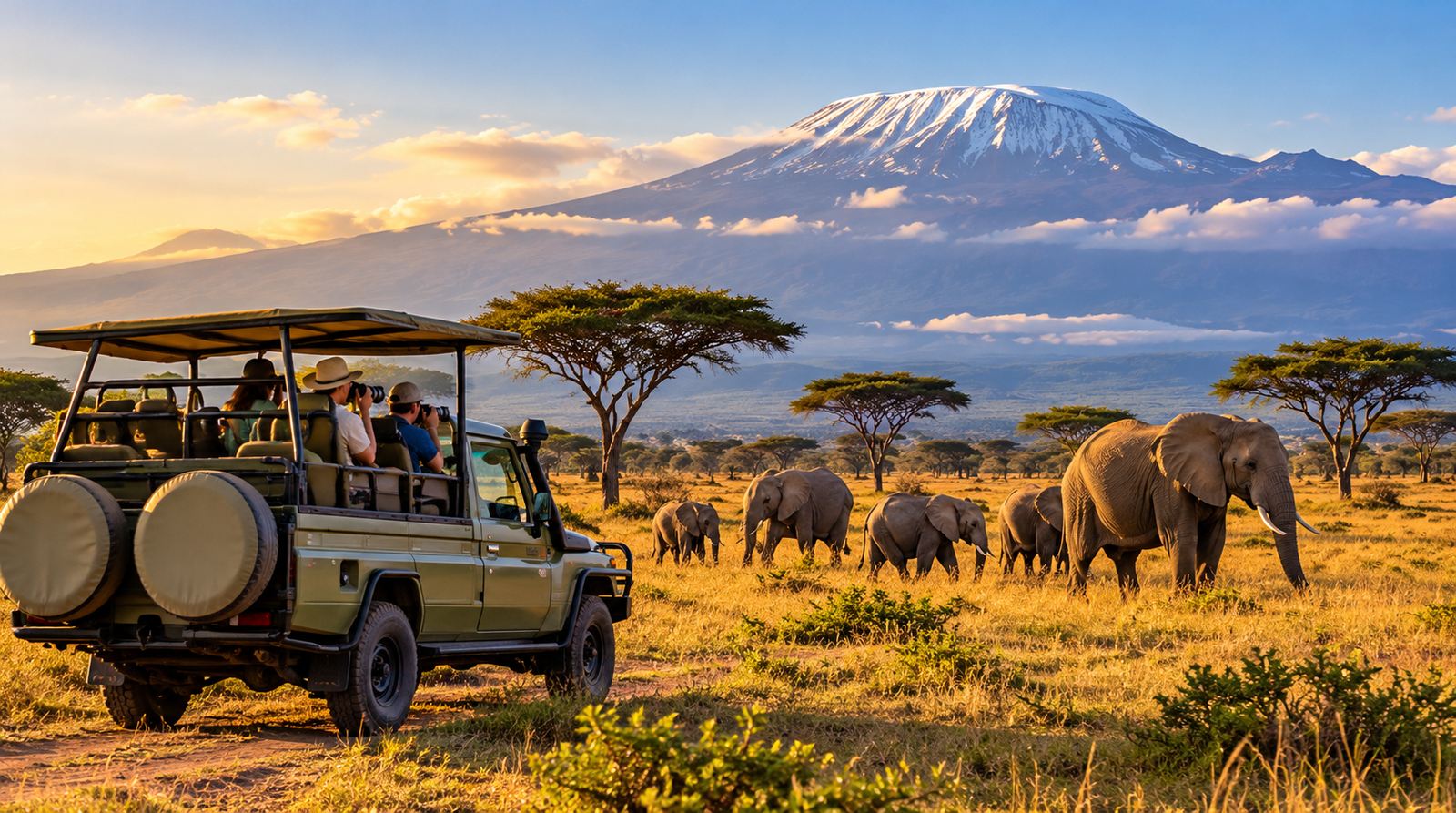
Use your actual safari plans to prepare questions for an insurer. This guide focuses on written clarification, policy wording and unresolved details—not insurance recommendations or assumed cover.
Your safari travel insurance checks should begin with the journey you actually plan to take, not just the word “safari” on a quote. Give the insurer your destinations, travel dates, transport arrangements and activity descriptions, then ask how the policy wording applies. Do not assume that an activity is covered because it appears in a travel agent’s itinerary.
This guide helps you prepare that enquiry. It does not recommend an insurance product or confirm cover: the relevant policy documents and the insurer’s clarification are essential to your decision.
Start with the purpose of your trip
Describe what you intend to do in practical terms. Wildlife viewing from a vehicle, guided walking, trekking and time on the water are different descriptions. If your proposed journey includes any of these, ask your agent for enough detail for an insurer to assess the activity rather than relying on a broad package name.
Explain your personal circumstances through the insurer’s required process. Ask what information it needs about health, treatment, residence, age and other relevant matters. Do not decide for yourself that a condition or circumstance is too minor to mention; seek clarification if a question is unclear.
A practical planning checklist for safari travel insurance checks
Gather the following before comparing policies. Where something remains undecided, mark it as provisional and ask the insurer whether that uncertainty affects its answer.
- Departure and return dates, including any travel before or after the safari.
- Every country on the proposed route, including transit stops.
- Activity descriptions, with duration, location and other details requested by the insurer.
- Transport arrangements and accommodation locations.
- Payments already made, future payment dates and cancellation terms.
- Details of the travellers and belongings you want the insurer to consider.
Keep a dated version of the itinerary with your enquiry. This makes it easier to identify what the insurer reviewed if the route or activities later change.
Build a route that feels comfortable
Review the whole journey, including arrival nights, transfers, optional extensions and the trip home. Ask whether the proposed policy applies throughout those dates and locations, and whether any territorial restrictions or conditions need further attention.
For a multi-country journey, list each country separately rather than describing the route only as “East Africa”. Ask how the insurer treats changes in official travel advice and which advice source and policy terms it uses.
Use anchor experiences
Identify the experiences you would be least willing to remove from the trip. Send their full descriptions to the insurer first, particularly where the wording is vague or an activity requires more information.
For each one, request the relevant activity category, exclusions and any conditions. If the insurer cannot give an answer without more detail, return to the agent for that detail. Our guide to building a flexible Tanzania safari itinerary can help you organise proposed arrangements, but it does not establish their insurance status.
Compare accommodation carefully
Obtain the name, location and description of each proposed stay. If the itinerary simply says “camp” or “lodge”, ask the agent to clarify the arrangement rather than making assumptions about facilities, access or nearby assistance.
Keep accommodation booking conditions alongside the itinerary. Ask the insurer how cancellation or interruption provisions apply to your particular bookings, including separately booked nights. A supplier’s refund terms and an insurance policy answer different questions; one should not be treated as a substitute for the other.
Understand the full trip cost
Prepare a breakdown of deposits, balances, flights, accommodation, activities and other booked components. Identify who receives each payment and what the applicable cancellation terms say. Use the amounts you actually expect to pay, not an estimated package headline alone.
Then ask how the policy’s limits, excesses and exclusions apply to that breakdown. Clarify whether a quoted limit applies per person, per claim, per trip or in another way. A limit on a summary page is not, by itself, confirmation that a particular loss would be payable.
Check belongings separately
If you intend to carry valuable photography equipment or other expensive items, prepare an item list. Ask about individual-item limits, combined limits, ownership evidence and conditions concerning unattended belongings. Request clarification about hired or borrowed equipment if relevant; do not assume it receives the same treatment as items you own.
Choose providers you can verify
Keep the roles clear. Your travel agent can supply itinerary details and booking terms. Questions about policy interpretation, eligibility and cover should go directly to the insurer or its authorised representative.
Confirm whom you are dealing with and how to contact the policy provider independently. Ask for the policy wording, schedule, applicable endorsements and the process for correcting inaccurate information. Save written clarifications with the documents, and ask how any clarification is reflected in the policy rather than assuming an informal assurance changes its terms.
Transport and daily comfort
Ask the agent to describe planned transfers and any transport-based activities accurately. Avoid treating a vehicle transfer, a self-drive arrangement and an excursion as interchangeable when making your insurance enquiry.
If vehicle arrangements are still being discussed, how to choose a safari vehicle in Tanzania can support that planning conversation. Pass the agreed details to the insurer and ask whether any restrictions or additional information apply.
Clarify emergency assistance arrangements
Ask how to contact the assistance service from your destinations, who should call and what information it needs. Specifically request an explanation of any provisions for emergency medical treatment, evacuation or repatriation, including authorisation requirements, limits and exclusions.
Do not assume these terms mean the same thing or guarantee a particular response. Ask what to do if urgent care is needed before contact is possible, and how payment arrangements would be handled under the policy.
Plan for families, couples and small groups
Check exactly who is named or otherwise included under the proposed policy. For a family or group, ask about age requirements, residence requirements and whether members may travel separately. Confirm each traveller’s relevant circumstances through the insurer’s process.
Also ask what happens if one person’s circumstances affect other travellers. For example, request clarification about cancellation when a travelling companion cannot go, and about shared bookings or shared equipment. Do not assume that buying together means everyone has identical cover or that all shared costs are treated alike.
When to book and how much flexibility to keep
Before making non-refundable commitments, establish when the proposed policy would begin and which sections would operate from which dates. Ask specifically how cancellation protection, if included, relates to the purchase date and existing bookings. Do not assume buying a policy later addresses events already known about.
For a flexible itinerary, ask which changes must be reported and how to report them. These might include amended dates, additional countries, different activities or changes in the information previously supplied. Seek confirmation before relying on an earlier answer for a revised journey.
Questions to ask before you pay
A useful enquiry asks the insurer to connect its answer to your actual itinerary and the relevant policy wording. Work through these questions before choosing a policy:
- Are all proposed countries, travel dates and activities within the policy’s scope?
- Which exclusions or conditions are especially relevant to the details I have supplied?
- What health information must each traveller provide, and how are accepted disclosures recorded?
- What are the applicable limits and excesses for the sections I am considering?
- What must I do before arranging treatment, changing travel plans or incurring expenses?
- What evidence would be needed for a claim, and what reporting deadlines apply?
- How should I correct an error or report a change before departure or during travel?
If an answer conflicts with your reading of the documents, ask for clarification. Keep unresolved questions visible rather than treating the absence of a clear exclusion in a sales summary as confirmation of cover.
Packing and preparation
Prepare accessible copies of your policy schedule, relevant wording, assistance contact details and itinerary. Keep a copy available offline and consider a separate backup, so that everything is not dependent on one phone or one internet connection.
With appropriate consent, make sure a travelling companion knows where essential contact information is stored. Keep sensitive medical and identity information secure. Ask the insurer which receipts, reports or other records it may require, but prioritise obtaining necessary help rather than collecting paperwork during an emergency.
Final planning advice for your safari
The most useful insurance enquiry is specific: these travellers, these dates, these places and these activities. Where the itinerary is incomplete, identify the missing information instead of asking the insurer to assess an imagined version of the trip.
Compare policies using their terms and the answers to your questions, not price alone. If an important experience remains unresolved, keep it marked as unresolved until you receive an answer you can understand and relate to the documents.
Sample decision framework
Use this checklist to record your enquiry. The answer column describes what to obtain; it does not indicate that cover has been confirmed.
| Itinerary detail | Question for the insurer | Written answer to retain | Unresolved action |
|---|---|---|---|
| Dates and countries | Does the policy apply throughout this route? | Territorial and date conditions | Confirm provisional stops |
| Planned activities | How is each activity treated? | Relevant terms and restrictions | Obtain fuller descriptions |
| Traveller circumstances | What disclosures are required? | Recorded information and applicable terms | Complete the insurer’s process |
| Trip payments | How do limits apply to these costs? | Limits, excesses and conditions | Check remaining balances |
| Emergency assistance | Whom should we contact, and when? | Contact and authorisation procedure | Prepare accessible copies |
| Itinerary changes | Which changes need reporting? | Notification procedure | Submit the revised itinerary |
Request a written itinerary and clear activity descriptions from your travel agent. Then use those details to resolve your insurance questions directly with the insurer before relying on a policy for your safari.
TopicPractical Travel — Safari Insurance Preparation
Reader focusInformational: identify questions to ask an insurer about a planned safari before choosing a policy.
Main subjectsafari travel insurance checks